
Architecture in Chandigarh: Trends Shaping Modern Indian Living
Architecture in Chandigarh: Innovative Trends Shaping Modern Indian Living
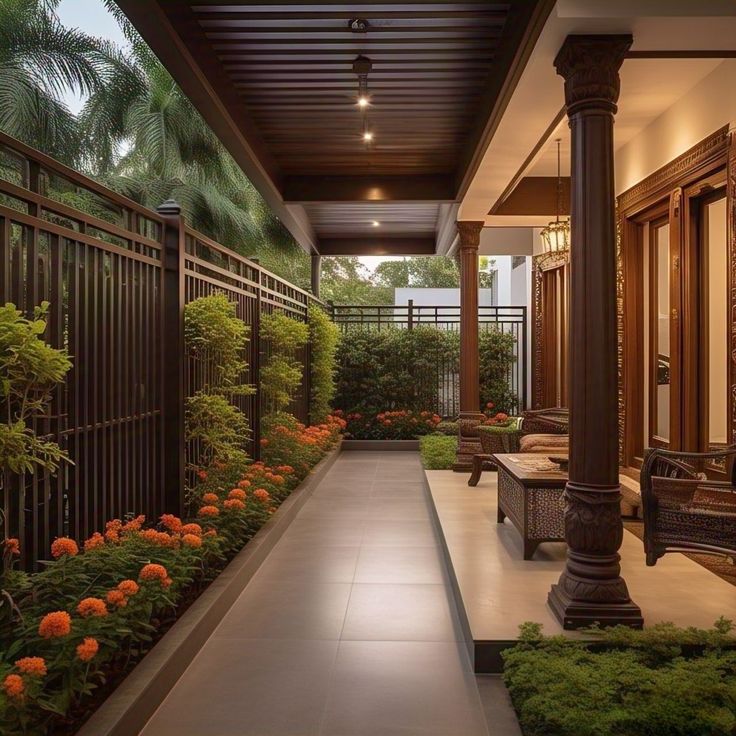
Architecture in Chandigarh is undergoing a renaissance. The city — known for its harmonious blend of heritage and planned urban design — is now setting national benchmarks in sustainable building, smart-home integration, and the fusion of tradition with modernity. Here are the trends defining how Chandigarh builds today, and what they mean for anyone planning a home in the region.
Sustainable architecture: building a greener Chandigarh
Sustainable architecture in Chandigarh centres on eco-friendly materials, energy-efficient design, and environmentally conscious construction. Homes and commercial spaces increasingly use solar panels, green roofs, and rainwater harvesting to cut their carbon footprint.
The payoff is practical as well as environmental: lower energy bills and better indoor air quality. As the city grows, eco-friendly architecture will be central to keeping Chandigarh a leader in progressive urban design.
Smart homes: integrating technology and comfort
Smart homes are now a core part of modern living, and Chandigarh is at the forefront. Architects and builders are embracing the Internet of Things (IoT) to make homes more functional and convenient — from automated lighting to voice-controlled appliances.
Beyond day-to-day comfort, this technology strengthens security through advanced surveillance and access control, and lets residents manage their homes remotely while keeping them energy-efficient.
Blending tradition with modernity
Chandigarh’s architectural identity is rooted in its historic, planned design — but contemporary trends are adding a modern twist. Architects are fusing minimalist principles with classic Indian aesthetics through materials like exposed brickwork, stone cladding, and local craftsmanship, keeping the city’s cultural spirit alive amid rapid modernisation.
Open and flexible spaces: the rise of multi-functional living
Demand for open, flexible spaces has surged. Architects are moving beyond rigid room divisions toward adaptable environments — sliding partitions that turn a living room into a home office, or extendable outdoor living areas. These multi-functional spaces let residents adapt their homes as their needs change.
Natural light and ventilation: designing for well-being
Maximising natural light and ventilation has become pivotal. Large windows, open courtyards, and strategically placed skylights illuminate interiors and promote airflow. This focus on natural elements reduces energy consumption while lifting the mood, health, and productivity of the people living there.
Integrating local and global design
Chandigarh’s architecture increasingly reflects a blend of local and global influences — from Scandinavian minimalism to the restrained luxury of modern oriental design — infused with local cultural nuance. This diversity elevates both the visual and functional qualities of the city’s buildings.
Luxury meets functionality
At the high end, Chandigarh’s residential and commercial projects prioritise both opulence and practicality. Premium materials, innovative design solutions, and meticulous detailing produce spaces that epitomise luxury while ensuring every square foot is used effectively — from plush interiors to landscaped gardens.
What architectural style is Chandigarh known for?
Chandigarh is renowned for its modernist, planned urban design — originally conceived by Le Corbusier — characterised by low-rise buildings, generous green space, and a structured grid. Contemporary architecture in the city builds on this legacy while adding sustainable and smart-home innovations.
What are the biggest home design trends in Chandigarh right now?
The leading trends are sustainable design (solar, rainwater harvesting, green roofs), smart-home automation, open and flexible layouts, an emphasis on natural light and ventilation, and the blending of traditional Indian aesthetics with modern minimalism.
Is sustainable architecture more expensive to build?
Sustainable features can add to upfront cost, but they typically pay back through lower energy and water bills over time. Many measures — good orientation, natural ventilation, and daylighting — cost little or nothing extra when planned from the start, which is why early design decisions matter most.
What is a smart home and is it worth it in India?
A smart home uses connected technology to automate lighting, climate, security, and appliances. In India, the value lies in convenience, stronger security, and energy savings. Integrated well at the design stage, smart systems add comfort without clutter and are increasingly expected in premium homes.
How do architects blend traditional and modern design?
Architects combine classic Indian aesthetics — materials like exposed brick, stone, and local craftsmanship — with minimalist modern forms and open layouts. The goal is to preserve cultural character while meeting contemporary needs for light, space, and functionality.
Why is natural light important in home design?
Natural light reduces energy use, improves mood and well-being, and makes spaces feel larger and more inviting. Architects maximise it with large windows, courtyards, and skylights, paired with good ventilation for a healthier, more comfortable home.
At DesignBuild.Villas, these innovative approaches guide our residential and hospitality work across Chandigarh Tricity and Delhi NCR. If you are choosing a design partner, see our guide to the best architects in Chandigarh.