
Home Construction Stages in India: From Foundation to Finishing
Home Construction Stages in India: From Foundation to Finishing
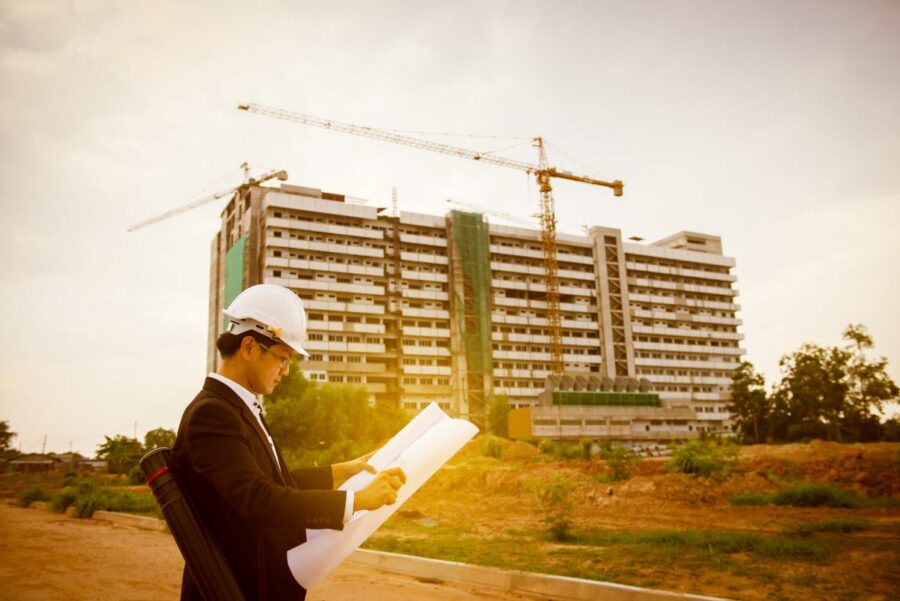
Building a home moves through a clear sequence of stages — planning, team selection, foundation, superstructure, roofing and waterproofing, openings, and interior finishing. Knowing what each stage involves helps you make better decisions and spot problems early. This guide decodes the home construction stages in India, with insights tailored to the local climate, materials, and regulations.
Stage 1: Planning and strategy
Every remarkable home begins with a strong plan. Planning is the cornerstone of a successful construction project — focus on your budget, lifestyle requirements, and future needs, envisioning space for an evolving family. Choosing the right architect is pivotal here. Discuss your aspirations with professionals and ensure the design aligns with local regulations and climate. A well-considered plan with energy-efficient, sustainable design adds value to both your property and the environment.
Stage 2: Selecting the right team
With the plan in hand, bring the right team on board: a reliable construction company, skilled contractors, and experienced project managers. In the Indian context, vet for professionalism, past experience, and customer testimonials. Look for synergy between all parties — an aligned vision and transparent communication are the bricks of a stress-free build, because minutes of unclarity lead to hours of delay.
Stage 3: Excavation and foundation
The physical work begins with site preparation — excavation and laying the foundation, the spine of your home. Whether a modest dwelling or a sprawling mansion, every home relies on a robust foundation. Excavation must account for soil quality and topography, demanding expert handling to support your architectural plans. Framing then follows, requiring precision and adherence to safety standards to guarantee lasting stability.
Stage 4: Superstructure and construction
Assembling the superstructure is the heart of the build, as walls go up and your living spaces take shape. Quality materials are indispensable for durability and elegance. Incorporating smart construction technologies and eco-friendly materials enhances aesthetics and functionality, promising long-term savings while aligning with the growing demand for sustainable living in India.
Stage 5: Roofing and waterproofing
This stage shields your home against the elements. Roofing must balance durability, climatic compatibility, and aesthetic harmony — the choice of material is more than a finish. Waterproofing is essential for India’s varied climate, protecting against water damage and structural wear. Combine tried-and-tested and innovative solutions to protect your investment.
Stage 6: Windows, doors, and aesthetic harmony
Windows and doors are more than transitional spaces — they define aesthetics, ambiance, and security. Choose materials and styles that complement the architecture while supporting energy efficiency. Expert interior design guidance at this point, integrating colour palettes, lighting, and functional layouts, enhances both visual appeal and the feel of your living spaces.
Stage 7: Interior design and completion
The climax of the journey is when your home transitions from structure to personal haven. Final interior touches — fixtures, paint, textures, and décor — transform raw spaces into reflections of your personality. Pay attention to kitchen and bathroom fittings, where practicality must gel with design, favouring durable, well-regarded brands and styles.
Closing the chapter: a successful handover
Completing your home does not end with décor. Conduct thorough walkthroughs with your construction and design team, attend to snags promptly, and check plumbing, electrical systems, and structural compliance. What stands before you is more than brick and cement — it is a lifetime achievement rooted in Indian ethos yet reaching for modern aspirations.
What are the stages of home construction in India?
The key stages are planning and design, team selection, excavation and foundation, superstructure (walls and framing), roofing and waterproofing, fitting windows and doors, interior finishing, and final handover with snagging and system checks.
What is the most important stage of construction?
Planning and the foundation are the most critical. Thorough planning prevents costly changes later, and a robust foundation is the structural backbone of the entire home. Weakness at either stage is expensive and difficult to fix afterwards.
Why is waterproofing important in Indian homes?
India’s climate ranges from heavy monsoon rain to extreme heat, so waterproofing protects against water ingress, dampness, and long-term structural damage. Done properly at the roofing and foundation stages, it significantly extends the life of the building.
What is the difference between foundation and superstructure?
The foundation is the below-ground structure that transfers the building’s load safely into the soil. The superstructure is everything above ground — walls, columns, floors, and roof — that forms the visible, usable home.
How do I choose the right construction team?
Vet for professionalism, relevant past experience, and genuine customer testimonials. Look for a team with an aligned vision and transparent communication. A single accountable design-build partner often reduces coordination problems versus hiring everyone separately.
What should I check before final handover?
Conduct detailed walkthroughs, prepare a snag list, and verify plumbing, electrical systems, and structural compliance against the approved plans. Resolve all snags before taking possession to avoid issues once you have moved in.
Understanding each stage turns a daunting build into a manageable journey. DesignBuild.Villas guides clients through every step. You may also like our complete guide to the home construction process in India.